The twenty third of March 2019

goats

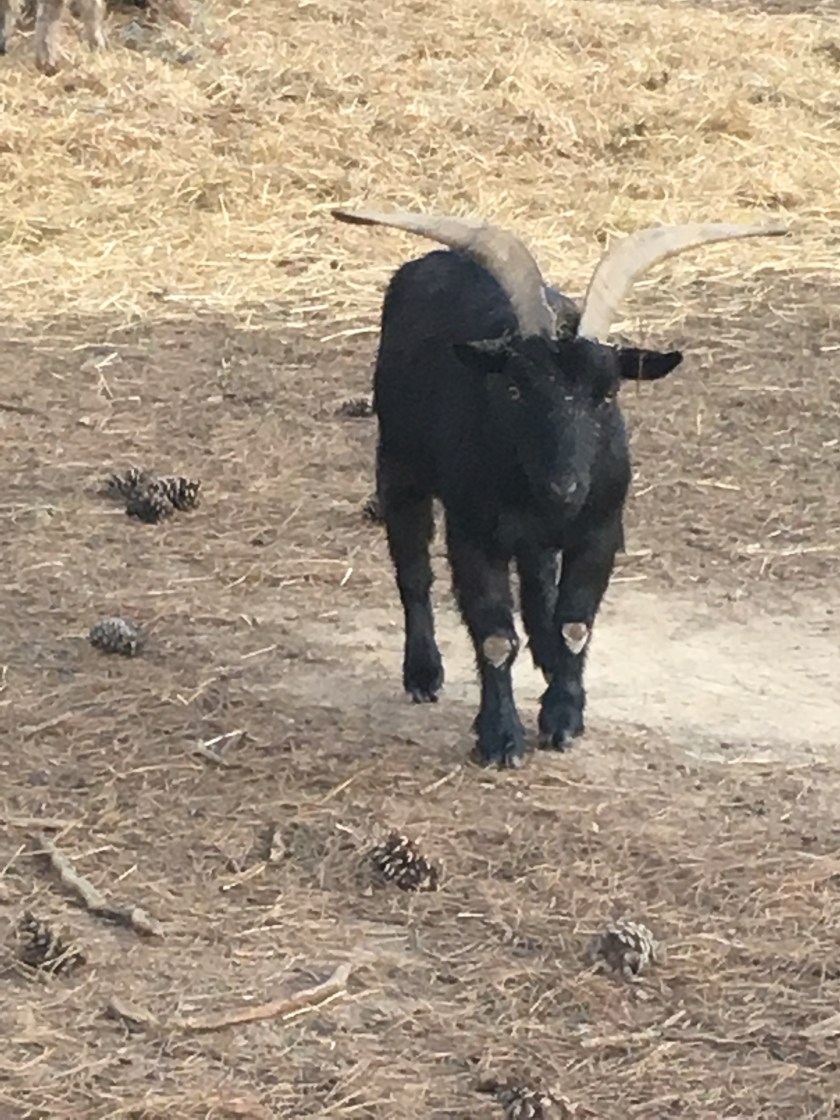
Say hello to Vlad, the goat of the day. Vlad has the largest horns of all of the goats at The Haven Zoo. He was named by some of the Haven’s most dedicated supporters Eric & Lori Dessecker. The name Vlad was inspired from the fifteenth century prince of Wallachia (now part of modern Romania), Vlad the III, or sometimes known as Vlad the Impaler. Vlad’s dad was part of the “order of the dragon” which gave them the surname of Dracul.  Vlad III was not a very nice guy, and earned the nickname “Impaler” because he actually impaled his enemies and criminals in public. Centuries later, reading up on some history caught the attention of Bram Stoker who based the title character of his classic Draculawhich has arguably been the inspiration for countless other literary and cinematic adventures featuring spooky bloodthirsty vampires. Fortunately for his friends at the Haven, Vlad the goat is most certainly not a vampire, evidenced by his presence in broad daylight in the photo below.

23.3.19.JPG

Vlad the goat enjoys the sunshine!

The twenty eighth of February 2019

goats

By the time February rolls around, the sparkle of the festive season is long gone, and the hopes of the new year start to feel a bit stale. Also, in many places, February has the worst weather out of the year (climate change related spring fake-outs notwithstanding). So, maybe whoever set up the way we keep track of time way back when felt the same way? Perhaps!

Throughout human history, people in different cultures and places had different conceptions of how to track the passage of time. The calendar most of us are familiar with is the Gregorian calendar, created in 1582 under the direction of Pope Gregory XIII, who was trying to solve the problem that seasons do not always change in formulaic ways and that it takes Earth 365.24219 days to revolve around the sun – making the possibility for calendrical wonkiness quite high.

So then, why is February so short? Actually, this time you can’t really blame a pope.  The origins of the calendar take us to the eighth century BC, when the smaller Roman world was organized on the calendar of Romulus – ten months of the year beginning with March on the vernal equinox. Winter was mostly unaccounted for, so you had about two months of calendrical void. To solve the issue, King Numa Pompilius added two months – January and February, and roughly organized the calendar to lunar cycles. This made more sense and you could finally schedule winter time appointments! Pompilius and other people at the time apparently thought that even numbers were unlucky and when they hashed everything out decided that if there had to be an unlucky month in order to have 355 days in  a year, it should be the shortest. By the time Julius Caesar reorganized the calendar to come to 365 days on a solar-based model, the twenty-eight day short month of February was here to stay. I suppose that over a millennia everyone from the pre-Roman Republic kings to Renaissance Popes basically agreed that this time of year is a bit of a bummer, keeping the month to 28 (sometimes 29) days a year.
28.2.19.jpeg

Perhaps take solace in the fact that historically, February has always kind of sucked?

The twenty third of February 2019

Uncategorized
Do you ever wonder about the places you might visit or live in? What adventures began or ended in those places, what agreements were made, what important things were decided, whether there were good times or bad times, or what other uses those spaces might have been? The world is an amazing place, and there might be amazing secrets hidden in the most normal places.

Maybe it’s a part of your story, maybe you are a part of its story.

The eleventh of February 2019

goats

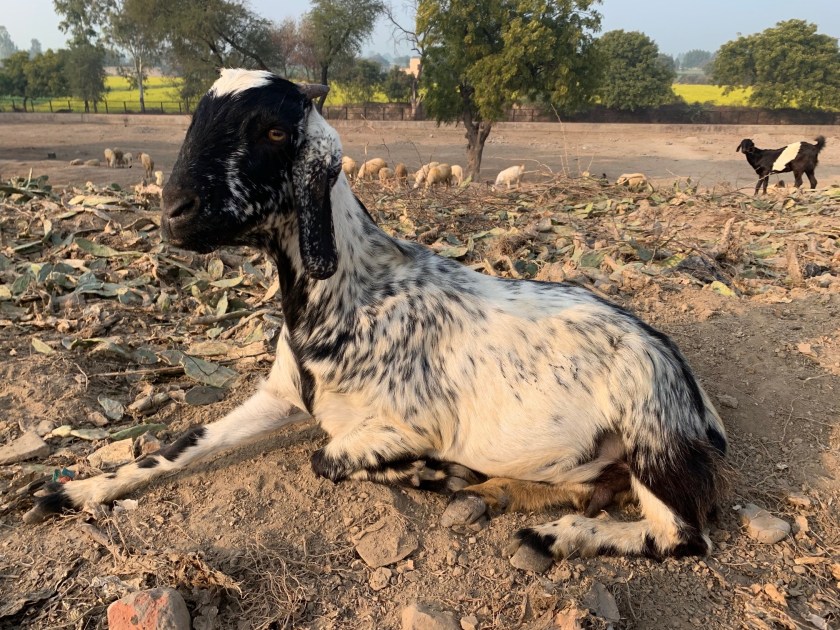
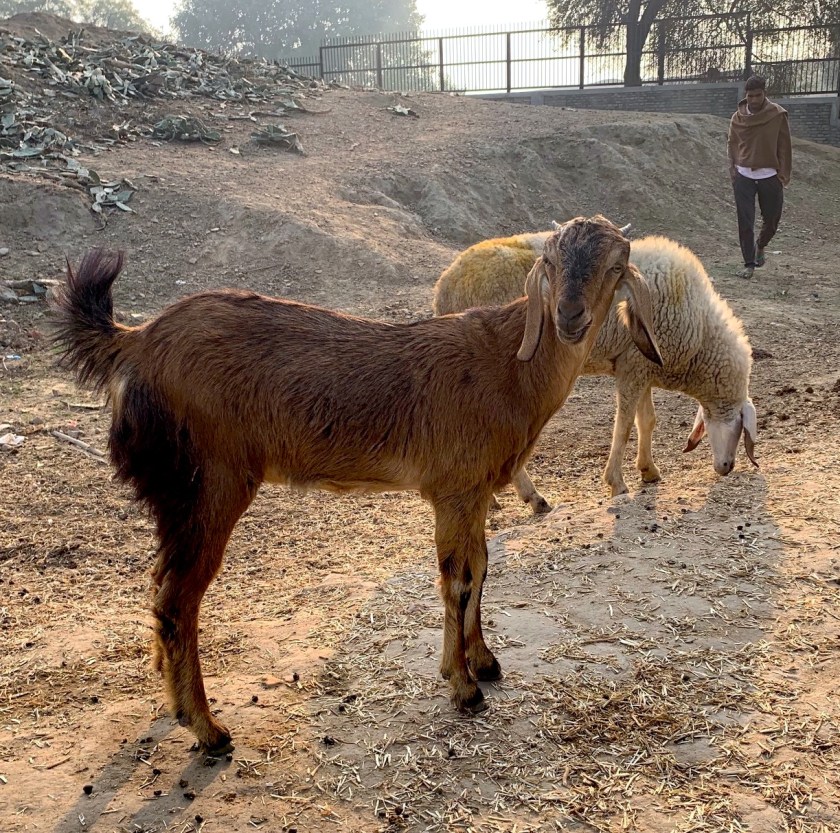
Today’s goat was photographed at an amazing place called Rakhigarhi by my partner who is currently working in Haryana, a state in northwest India. Rakhigarhi is home to two villages, Rakhi Khas and Rakhi Shapur which are situated on top of an ancient city, 4,500 years old, part of a constellation of ancient cities belonging to what archaeologists call the Indus Valley Civilization. Unlike other ancient civilizations with clear evidence of social hierarchy such as pyramids, elaborate burials or elite palaces, the Indus left behind few traces of these markers. Needless to say, the people who lived in Indus Valley cities and settlements had standardised units of measurement, a system of writing, and networks of homes and workshops within centres that appeared to be in contact with one another and as far away as Mesopotamia. Archaeological investigations in 2018 revealed a cemetery that has been the subject of much debate. However, the villages carry on farming, herding buffalo and sometimes goats, and are quite welcoming to researchers and foreigners. I had the privilege of living in Rakhigarhi for a few months in 2012, and it was one of the most transformative and wonderful experiences of my life. I am happy to share this goat with you and to reflect on my time at such a special place.

11.2.19.jpeg

Rakhigarhi – a 4,500 year old city and a modern village in the heart of northwest India.

The twenty seventh of January 2019

goats

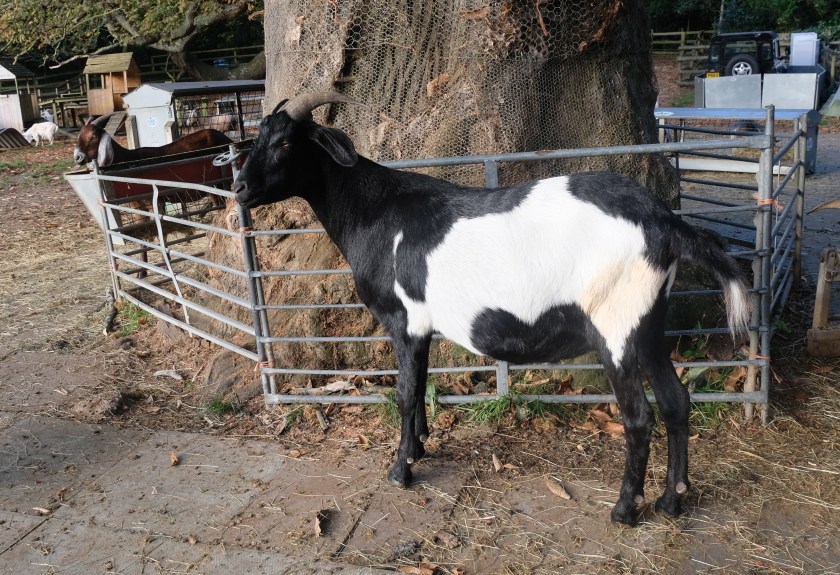
Benjamin Franklin certainly made a lot of inspirational quotes, I think he would have probably really enjoyed crafting some clever memes if he were alive today. He is credited with saying that “in this world nothing can be certain, except death and taxes;” however, he may have been paraphrasing Daniel Dafoe (relation to Willem Dafoe, unknown). Obviously, Franklin was speaking from a certain gendered, upper class, eighteenth-century cultural milieu. Perhaps this centuries old adage should be updated to include laundry. Nothing is certain in the world except for death, taxes and laundry.

27.1.19

Clean clothes are a great way to start a new week. 

The eleventh of January 2019

goats

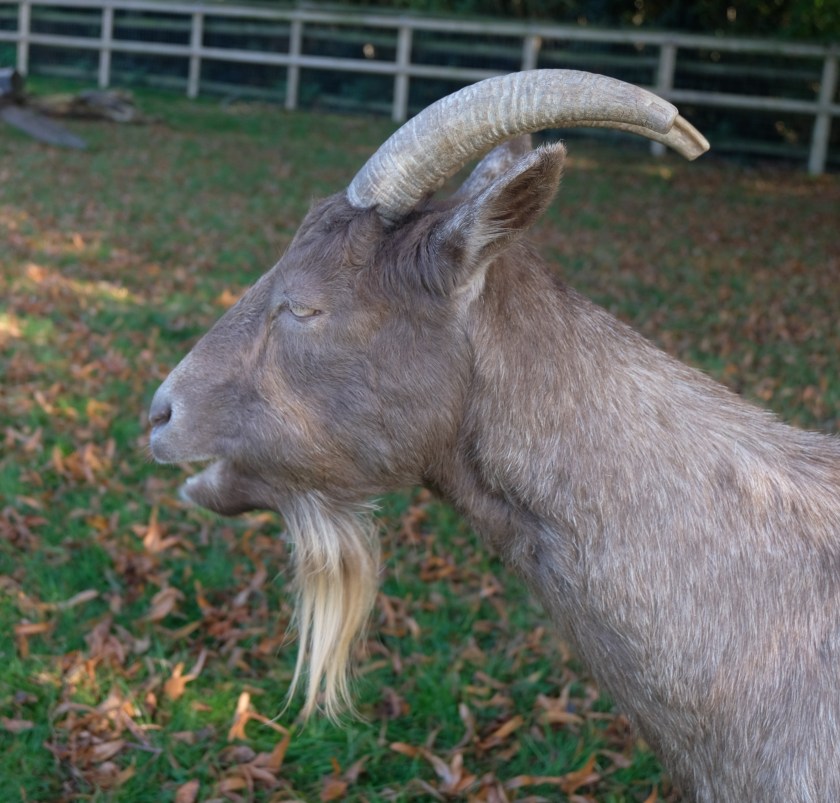
Perhaps not so long ago, there was a longstanding belief in fairies. Fairies were small, sometimes kind or sometimes mischievous beings with magical powers that sometimes offered assistance to humans. In Welsh folklore, a particular family of fairies, the Tylwyth Tag, were known to comb the beards of goats on Fridays to prepare them for Sundays. It is certainly unsurprising that creatures known for mischief would be associated with goats, and perhaps this is a cute way to explain why most goat beards appear to be so silky and straight, as though fresh from the fairy salon.

11.1.19

What a fantastic beard. 


Boxing Day 2018

goats

Now that Christmas is over, enjoy some time to relax. It is Boxing Day in the UK and its Commonwealth countries. Boxing Day may have originated during the Middle Ages when people would collect charity for the poor in the form of alms boxes that would be opened every 26 of December in honor of Saint Stephen. An alternative origin claims that Boxing Day originated from aristocrats boxing up their leftovers to give to their staff as a holiday bonus the day after their own Christmas celebrations. Boxing Day has been a day off from the beginning of bank holidays in 1871. Although its original meaning has faded into the late-twentieth century post-Christmas shopping frenzy, people all over enjoy a day off. I hope that you had a lovely day off, snagged a deal, or enjoyed some delicious leftovers with loved ones.

26.12.18.JPG

In the UK and its Commonwealths, Boxing Day is a celebrated day off after Christmas.

The twenty-first of December 2018

goats

The steady march towards winter can feel…a bit dark. Today marks the official first day of winter with the winter solstice, the shortest day of the year. Where I am writing, there will be less than eight hours of sunshine today. Many cultures choose to celebrate the shortest day of the year, perhaps because starting tomorrow the days will gradually get longer and longer as the Earth’s axis rotates towards, instead of away from, the sun. In ancient times, this time of year was celebrated for the Egyptian god Osiris, Apollo and Sol Invictus, all deities with links to the sun. The Yule Log may be a delicious chocolate cake now, but thousands of years ago it was a part of the Juul festival of northern Europe and Scandinavia, where families would cut down a large tree and light it on fire for twelve days to bring good harvest and fertility for the new year in part of worship to the god Odin. In fact, some retellings of Norse mythology even have Odin delivering gifts and sweets to children during this time, centuries before Santa Claus and his reindeer. At any rate, if you are anything like me, and perhaps goats, you long for the sunshine. In that case, today is a day of hope as every day for the next six months, there will be a smidgen more sunshine to enjoy.

21.12.18.JPG

Don’t worry, more sunshine is on its way!

The eleventh of December 2018

goats

Gossip is a pervasive means of communication in human societies. You might think that all gossip is bad and entails people speaking negatively about an individual or group; however, gossip can actually function in a way to the benefit of human groups. For example, gossip can help maintain equilibrium amongst egalitarian societies. Although gossip is seen as a negative and deadly action by the Talmud, gossip can provide a way for people to connect and feel closer to one another, and social scientists claim that only 3 to 4 percent of gossip is actually malicious. Gossip may have even provided an important social tool in human evolution, as a means to assess members of growing communities and maintain cohesion of social groups. Perhaps Oscar Wilde was right, when he said that the only thing worse than being talked about is not being talked about. At any rate, if you suspect you are being gossiped about you can probably conclude that at a minimum, people find you interesting.

11.12.18.JPG

Don’t worry, most gossip is not even bad!

The twenty second of November 2018

goats

Today, in the United States, is Thanksgiving. There is a lot of problematic mythology surrounding Thanksgiving in the United States. It did not originate as a peaceful gathering between American Indians sharing their bounty with English settlers, although that is the story most American school-children get growing up and is still purported by most sources. However, feasting in society serves an important purpose amalgamating social ties, familial ties, religious observances, and economic relationships. Sharing a large meal amongst a group of individuals can re-affirm social and familial ties as well as redistribute and share resources. Thanksgiving menus are special and many dishes are usually only served once or twice a year. Many Americans see Thanksgiving as the official start of the festive season leading up to Christmas and the New Year. Some (not all) may use the Thanksgiving feast as a means to fuel-up for another problematic American tradition – the violent Black Friday shopping spree. Whether you buy into the white-washed American mythology of Thanksgiving or not, gratitude is really important, and if you are reading this you at least have something to be grateful for. I’m grateful for my family, my warm flat, and the opportunity to share a goat with y’all everyday. Have a wonderful holiday y’all.

Thanksgiving 2018.JPG

I’m grateful for my goats and supporters of goat of the day. Enjoy y’all!